A short roof check twice a year takes about half an hour and needs no ladder. It is one of the cheapest ways to catch small problems before they turn into ceiling stains.
Northeast Gutters & Remodeling wrote this guide for Simsbury, Connecticut homeowners, because roofs in the Farmington Valley deal with freeze and thaw cycles, wet leaves, and heavy snow.
Start From the Ground
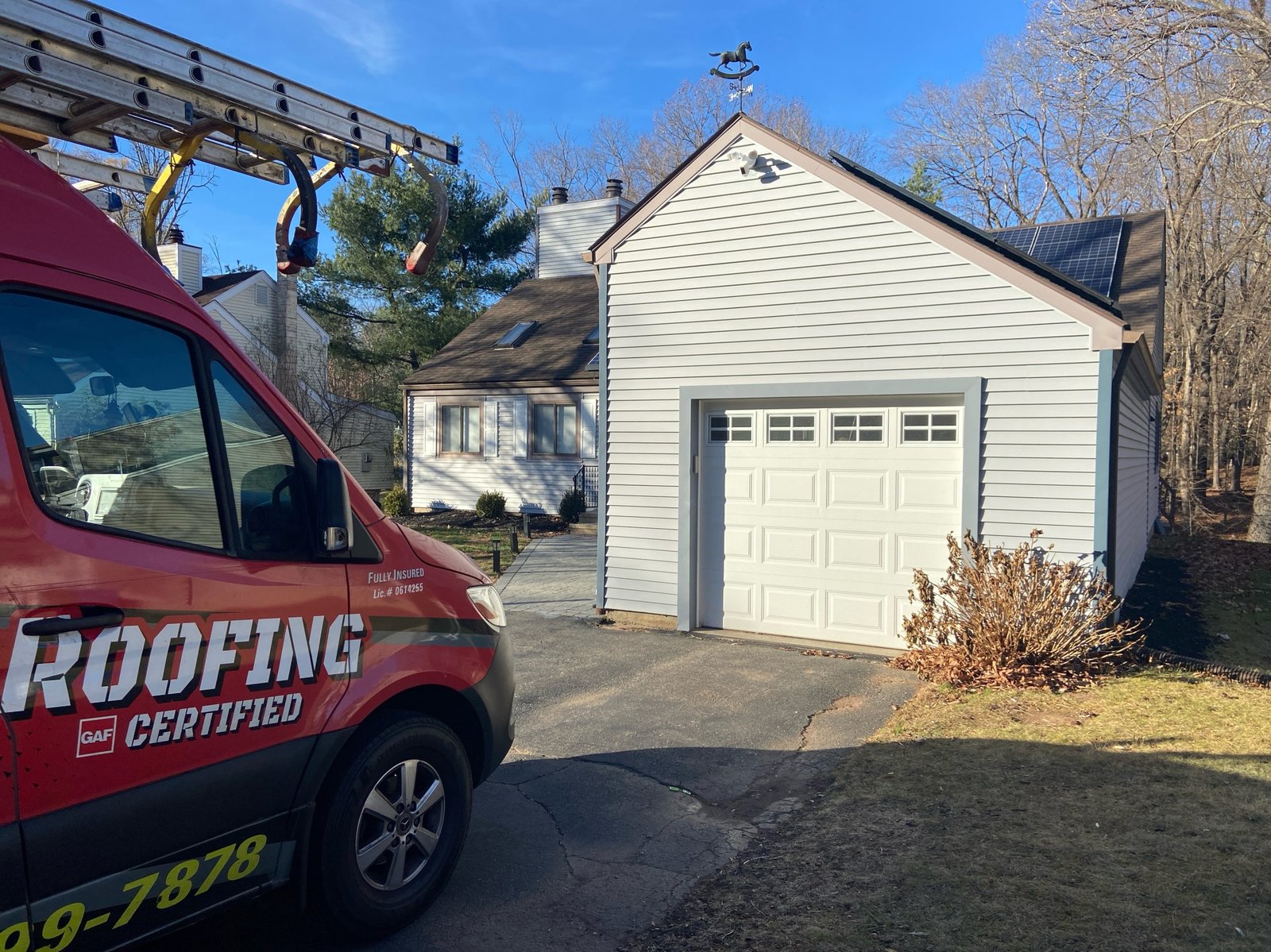
Walk the full property and look up at each slope for shingles that have slipped, lifted, or gone missing. Bare patches and loose pieces in the lawn are the first clues.
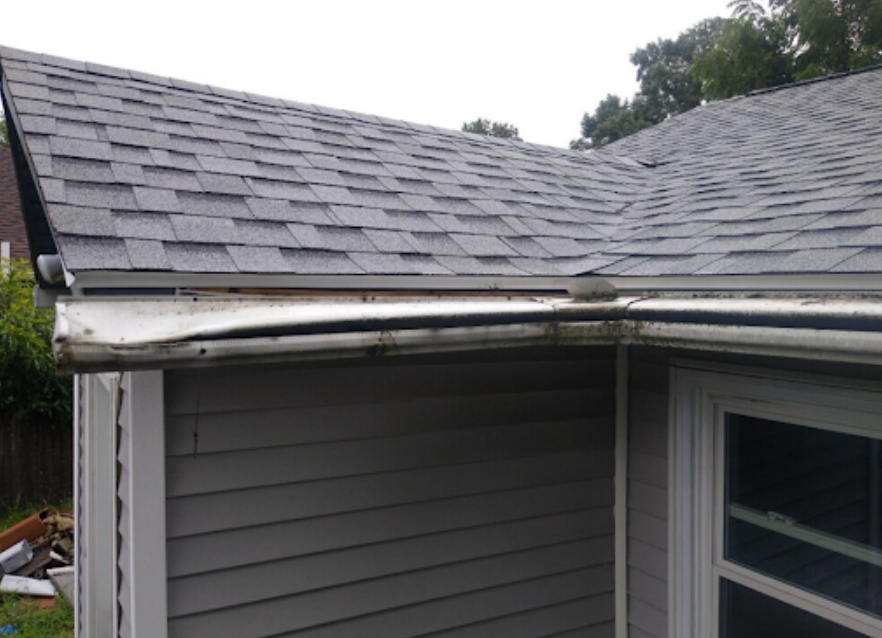
A pair of binoculars helps you spot moss, algae streaks, and packed leaves that hold moisture against the roof. If you see curled, cracked, or buckled shingles, note which slope they are on.
- Shingles: look for curling, cracking, buckling, or bare spots.
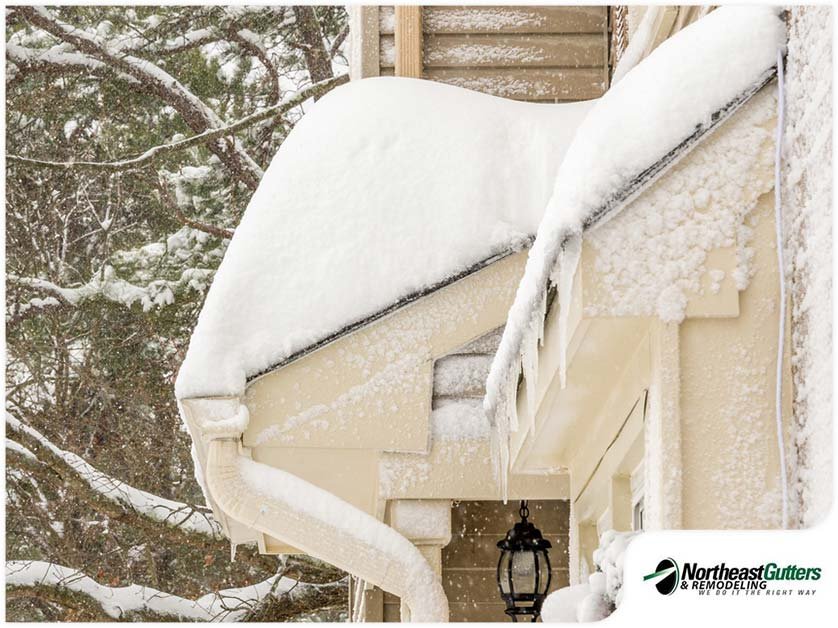
- Gutters: look for clogs, sagging runs, and shingle granules in the channel.
- Flashing: check the chimney, vent pipes, and dormers for rust, dents, or dried caulk.
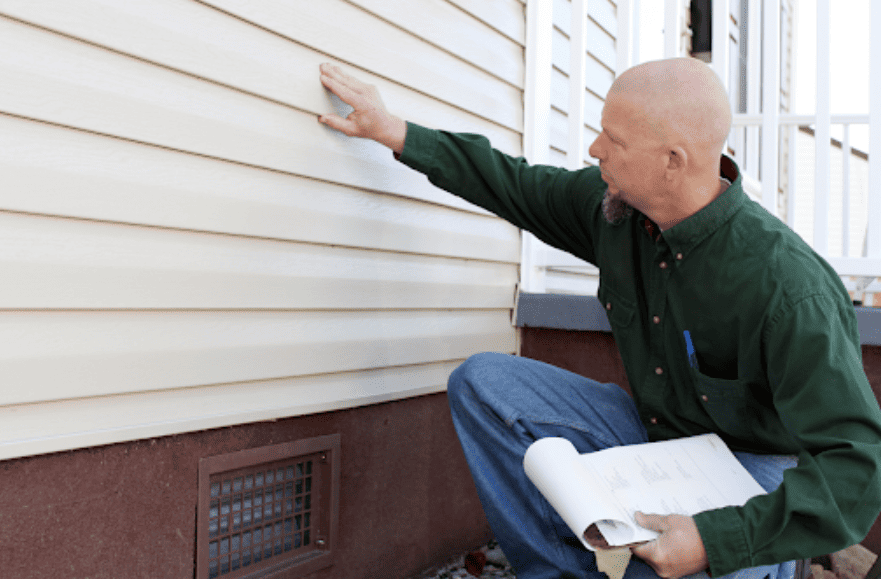
- Fascia and soffit: look for stains, soft spots, or peeling paint.
Granules in the gutter are a useful hint, because they often mean the shingles are wearing with age. Our gutter cleaning and maintenance programs keep those channels clear so water does not back up under the first course.
Look Inside the Attic and Ceilings
Use a flashlight in the attic on a bright day and look for daylight at roof joints, damp insulation, dark stains, or musty smells. Pay extra attention around vents, skylights, and the chimney.
Then scan the ceilings and upper walls inside the house for spots, rings, or peeling paint. A stain that grows after rain points to a leak near that spot, though the water can travel along the rafters before it shows. If you see several warning signs, read signs your roof needs replacement.
| What you see | What it may mean | Next step |
|---|---|---|
| Loose or missing shingles | Wind lift or aging sealant | Photograph it and book a roof inspection |
| Granules in the gutter | Shingles wearing with age | Track it and plan a closer look |
| Rusted or cracked flashing | Weak point for water entry | Have it resealed or replaced |
| Stains in the attic | Active or past leak | Mark the spot and call us |
| Moss or algae streaks | Moisture held on the surface | Ask about cleaning and airflow |
Why Safety Comes First
Skip walking on the roof and skip tall ladders for routine checks, since a fall is a bigger risk than a missing shingle. Ground, attic, and ceiling views give you most of the story safely.
When something looks off, a trained crew can get up there with proper gear and fall protection. Our roof installation and repairs team handles that step so you do not have to.
What We Look at on a First Visit
On a first visit, our crew looks at the shingle surface, the flashing, the roof deck from the attic, and the gutters and fascia along the eaves. We write what we find, with photos and the repair or replacement options, into a scope you can read before you decide.
If the roof needs work that requires a permit, the Simsbury Building Department is the place to confirm the steps. Ask us to note those steps in the written scope so the schedule is clear.
A tired roof can also be a good moment to look at flashing installation and replacement and at attic airflow, since both affect how long new shingles last. For a budget view, see our post on breaking down the cost of roof replacement.
Roofing manufacturers such as GAF suggest checking a roof twice a year, once in spring or early summer and again in fall. After a big storm, an extra look is worthwhile.
Roof Health Check Questions From Simsbury Homeowners
How often should I check my roof in Simsbury?
A check in spring or early summer and another in fall is a good rhythm for most homes, plus an extra look after a major storm. Each check can be done from the ground and attic in about half an hour.
Do I need to climb onto the roof to inspect it?
No, and it is safer to stay off the roof and the tall ladders. Binoculars from the yard, a flashlight in the attic, and a scan of the ceilings show most warning signs without ladder work.
What are granules in my gutters telling me?
Small gritty granules in the gutter often mean the shingle surface is wearing as the roof ages. A few after a storm are common, but a steady pile is a good reason to have the roof looked at.
Is a small ceiling stain an emergency?
Not necessarily, but it is worth tracking closely. Mark the edge of the stain with a pencil and the date, then see whether it grows after the next rain, and call us if it does so we can trace the water path.
Can a gutter problem cause roof trouble?
Yes, clogged or sagging gutters can hold water at the roof edge and push it under the first shingles. Clearing them and checking the pitch keeps water moving away from the fascia, the roof deck, and the siding below.
What does a professional roof inspection include?
Our crew checks the shingle surface, the flashing, the roof deck from the attic, and the gutters and fascia. You then get a written scope with photos and options, so you can compare repair and replacement choices.
Want a Second Set of Eyes on Your Roof?
Northeast Gutters & Remodeling can walk your Simsbury roof, check the attic, and explain what we see in plain terms.
Call us at 860-899-7878 or request a free estimate to schedule a visit.
About the Author
Thiago Barboza Batista is the owner of Northeast Gutters & Remodeling, a family-owned contractor in Bloomfield, Connecticut, founded as a gutter company in 2004. He oversees seamless gutter, copper gutter, roofing and siding projects for homeowners across Connecticut, from the free on-site estimate to the final inspection.
Sources
- GAF: How to Conduct a Roof Inspection From the Ground: Ground, attic, and ceiling checks, plus the twice a year schedule.
- Town of Simsbury Building Department: Permit steps for roofing work in town.