A full roof replacement in Connecticut normally needs a building permit, because the state exemption only covers repairs limited to 25% of the roof covering in one calendar year. The permit is the town’s record that the new roof was installed and inspected under the building code.
Northeast Gutters & Remodeling replaces roofs for homeowners in Windsor and across the Hartford area. This guide covers the statewide rule first, then the Windsor details, and ends with the questions to settle with any roofer before the old roof comes off.
The Connecticut Rule: When a Roof Needs a Permit
Connecticut uses one State Building Code, and the residential exemption list published from the 2022 code allows repairs limited to 25% of the roof covering within one calendar year without a permit, as the City of Meriden’s copy of that list shows. Replacing the whole roof goes past that limit.
An exemption never authorizes work that breaks the code, as the 2022 Connecticut State Building Code states in its permit section. A small repair still has to meet the same standards as a permitted job.
| Roof work | Permit situation | What to do |
|---|---|---|
| Replacing the whole roof | Normally needs a permit | Confirm the application with the Building Department before work starts |
| Repairs up to 25% of the roof covering in one calendar year | Can be exempt under the state code | Keep a record of every repair made during the year |
| Several small repairs that add up past 25% in one year | No longer covered by the exemption | Ask the Building Department before the next repair |
| Replacing roof sheathing, rafters or other framing | Structural work, outside a simple covering repair | Ask the Building Department, since structural work is reviewed separately |
The 25% count is per calendar year, so repairs add up. A leak repaired in March and storm damage fixed in October both count toward the same limit, which is why we recommend keeping receipts and photos of every roof repair.
What Changes Between a Repair and a Replacement
From the homeowner’s side, the difference is not only the permit. A replacement opens the roof deck, and that is when problems hidden under the old shingles come to light.
- Deck condition: soft or rotted sheathing only shows once the old roofing is off, and replacing it changes the scope.
- Layers: how many layers of old roofing are on the house affects whether a tear-off is needed, so ask the town and your roofer before you sign.
- Underlayment and edges: the eaves, valleys and roof edges get new underlayment and flashing as part of a full replacement.
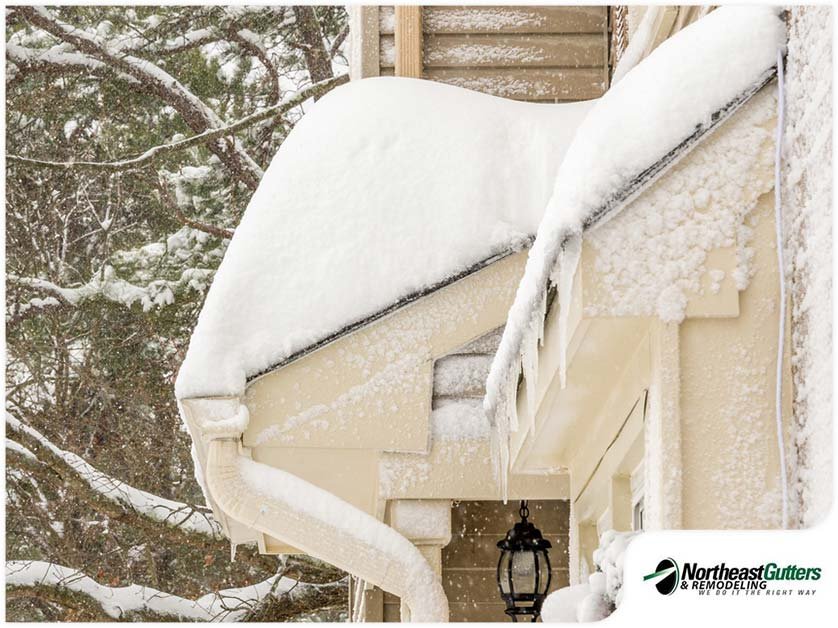
- Ventilation: a replacement is the right moment to correct attic ventilation, which also helps prevent ice dams.
Because the scope can change after tear-off, a good contract says how changes are priced and approved. Our roof installation and repair work is planned with that in mind.
Windsor Permit Requirements, Cost and Timing
Windsor is moving permit applications online, and the town says the old paper method is being phased out, according to its building permits page.
The application asks for the property address, the owner’s contact details, a description of the work, the total project value including labor and materials, and the contractor’s license or registration. The town also asks for proof of workers’ compensation coverage, unless it is already on file, and two sets of plans showing the work.
| Item | Windsor rule |
|---|---|
| Permit fee | Based on the project value, listed on the town’s permit page |
| Online payment | Carries a separate processing fee; cash or check in person does not |
| Processing time | Within 30 days of a complete submission |
| Permit validity | Expires if work does not start within 180 days or stops for 180 days |
| Inspection scheduling | Call and speak with a staff member; a voicemail does not count |
These rules come from the town’s online permit FAQ. Fees and rules can change, so confirm the current amounts with the Building Department before you budget.
Who Pulls the Permit and What Goes in the Contract
Connecticut requires a written contract before home improvement work starts, and it must list the contractor’s registration number, according to the Department of Consumer Protection. You can check a contractor’s registration on eLicense, the state’s license lookup.
The same agency says you can cancel until midnight of the third business day after signing, and the contract must include a notice of that right.
Before you sign, make sure the contract answers these points in writing:
- Who applies for the permit, and who pays the fee
- Who schedules each inspection
- How rotted decking or other surprises found at tear-off are priced
- Whether the old roofing is removed or covered
- When the permit card is posted and when the final inspection happens
If the contractor pulls the permit, verify with the Building Department that it was issued before the crew starts.
How Our Team Handles the Permit
On a roof replacement, we go over the full scope with the homeowner before the job, including who applies for the permit, what the town needs from us and when the inspection should be scheduled. Those answers go into the written estimate, not just a conversation.
The same planning applies to our asphalt shingle roofing installations. When a replacement follows storm damage, our guide to insurance roof replacement explains how the claim and the permit fit together.
Risks of Skipping the Permit
Skipping a required permit leaves you with no town record that the work met code. That gap can surface when you sell the house, refinance or file an insurance claim on the roof.
Ask your insurance agent how unpermitted work could affect your coverage. Our article on whether homeowners insurance covers damaged gutters explains how policies treat storm damage to the roof edge.
Questions Connecticut Homeowners Ask
Do I need a permit to replace my roof in Connecticut?
Normally yes. The state exemption covers only repairs limited to 25% of the roof covering within one calendar year, so a full replacement is outside it. Confirm with your town Building Department before work starts.
How long does it take to get a roofing permit in Windsor?
The town says it processes applications within 30 days of a complete submission. Ask your contractor to apply early, so the permit is ready before materials arrive.
How much does a roofing permit cost in Windsor?
Windsor charges a fee based on the project value, listed on the town’s permit page. Make sure your estimate says who pays it.
What if my contractor says a permit is not needed?
Ask why, then confirm with the Building Department. A contractor who suggests skipping a required permit to save money is a warning sign.
How do I schedule the inspection?
In Windsor, call the Building Department and speak with a staff member, because a voicemail does not count. Ask your contractor who will make that call.
How long is a Windsor permit valid?
A permit expires if work does not start within 180 days of issuance or stops for 180 days. The building official can grant written extensions.
Can I pull the permit myself?
Windsor’s application includes a path for owners acting as their own general contractor, using Form 7A instead of workers’ compensation proof. Ask the Building Department whether that fits your roof project.
Get Clear Answers Before the Roof Comes Off
Call 860-899-7878 or request a free estimate, and we will go over the permit steps for your project with you.
About the Author
Thiago Barboza Batista is the owner of Northeast Gutters & Remodeling, a family-owned contractor in Bloomfield, Connecticut, founded as a gutter company in 2004.
He oversees seamless gutter, copper gutter, roofing and siding projects for homeowners across Connecticut, from the free on-site estimate to the final inspection.
Sources
- 2022 Connecticut State Building Code: exemptions do not authorize work that violates the code.
- City of Meriden, Residential Work Exempt From Permit (based on the 2022 Connecticut State Building Code): repairs limited to 25% of roof covering within one calendar year.
- Town of Windsor, Building Permits: application requirements, documents and the permit fee.
- Town of Windsor, Online Building Permit FAQ: processing time, permit validity, inspections and payment fees.
- Connecticut Department of Consumer Protection, Home Improvement Contracts: written contract, registration number and the three day cancellation right.
- State of Connecticut eLicense: contractor registration lookup.