Roof flashing is the thin metal that seals the places where a roof meets something else. On Hartford homes, those joints are where many roof leaks begin.
Northeast Gutters & Remodeling sees this on older houses and newer ones alike, and these are the basics Hartford, Connecticut homeowners should know.
What Flashing Does
GAF describes flashing as a thin barrier, usually galvanized steel, installed where a roof meets a vertical surface or where two roof sections meet. It directs water off the roof and away from seams and penetrations.
Where Flashing Is Used
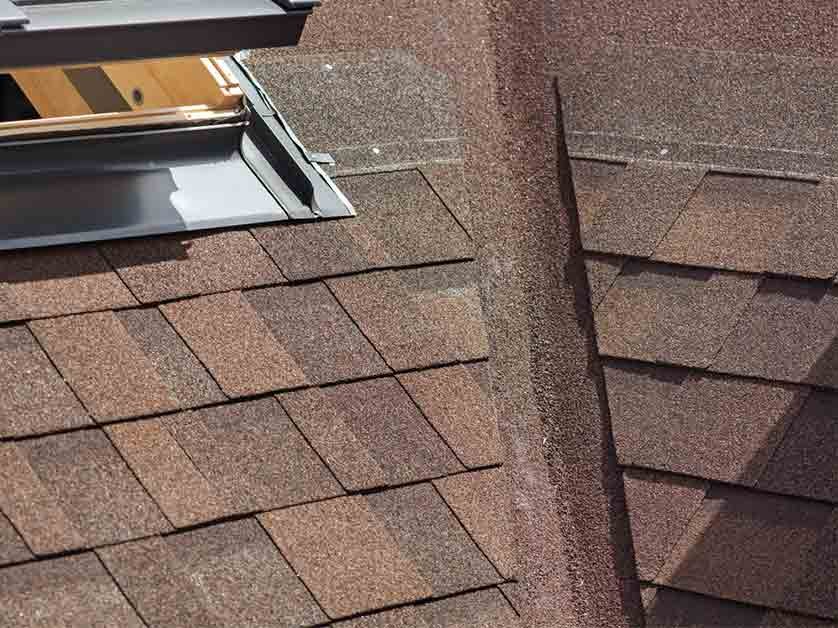
Flashing protects roof to wall intersections, valleys, chimneys, vent pipes, skylights, and the roof edges. Each spot uses a different type, such as step flashing, valley flashing, or base and counter flashing at chimneys.
| Location | Flashing type | What it does |
|---|---|---|
| Roof to wall | Step flashing | Stair-steps water out over each shingle |
| Valley | W-shaped valley flashing | Handles concentrated water flow |
| Chimney | Base and counter flashing | Allows movement between chimney and roof |
| Vent pipe | Rubber boot | Seals around the penetration |
| Roof edge | Drip edge | Guides water into the gutters |
Signs Flashing Has Failed
- Inside: ceiling stains, water on attic decking, or daylight around vent pipes.
- Outside: loose, damaged, or missing metal or shingles.
- Chimney: staining or damp spots near the base.
GAF advises checking flashing annually, inspecting the attic, and walking the perimeter with binoculars. It says not to climb onto the roof and to have a professional inspect promptly if you see warning signs.
Replace It With the Roof
GAF also recommends replacing flashing when you replace the roof. Old flashing under new shingles is a weak point that can shorten the new roof’s life.
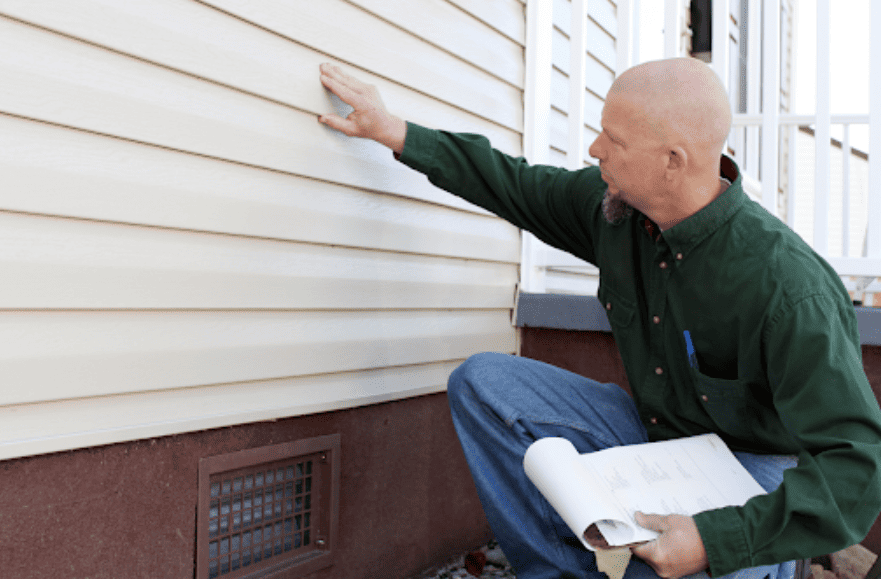
Walls matter too, because the Vinyl Siding Institute says that flashing should be installed before siding at windows, doors, and corners.
What Our Crew Confirms With You
When we inspect a roof, our crew looks at the chimney base, the valleys, the wall joints, the vent boots, and the attic boards below them. We write each flashing detail into a scope, so you know what is being replaced and what is being reused.
Our flashing installation and replacement, chimney flashing, and custom copper flashing pages show the work we do, and our guide to breaking down roof replacement costs explains how flashing fits into a bid.
Permits in Hartford
Hartford’s Development Services Department says applicants create an account in its Accela portal and choose the applicable record type. Its page does not name flashing, so ask the department about your project.
Frequently Asked Questions About Roof Flashing
What does roof flashing do?
It directs water off the roof and away from seams and penetrations, according to GAF. It sits under the shingles at joints such as walls, chimneys, valleys, and vents, where shingles alone cannot keep water out of the house.
How can I tell if flashing has failed?
Inside, look for ceiling stains, water on attic decking, or daylight around vent pipes, and outside for loose, damaged, or missing metal. Binoculars from the ground help, and a professional should inspect promptly after a warning sign you notice.
Should flashing be replaced with a new roof?
Yes, GAF recommends replacing flashing when you replace the roof. Old flashing under new shingles is a weak point, so ask your bid to list each flashing detail rather than leaving it vague or assumed.
Which metal is best for flashing?
Galvanized steel is the most common, aluminum resists corrosion, and copper and stainless steel are premium options, according to GAF. The right choice depends on the roof, the budget, and which metals touch each other on your house.
Can I check flashing myself?
You can look from the ground with binoculars and check the attic for stains, but GAF says not to climb onto the roof. A crew can inspect the details closely and photograph a problem it finds for your records.
Does flashing matter for siding too?
Yes, the Vinyl Siding Institute says flashing should be installed before siding at windows, doors, and corners. It sends water over the last full siding course, so the wall stays dry behind the panels and trim.
Concerned About Flashing on Your Hartford Roof?
Call 860-899-7878 or request an inspection through our free estimate form.
We will check each joint and write up the repairs.
About the Author
Thiago Barboza Batista is the owner of Northeast Gutters & Remodeling, a family-owned contractor in Bloomfield, Connecticut, founded as a gutter company in 2004. He oversees seamless gutter, copper gutter, roofing and siding projects for homeowners across Connecticut, from the free on-site estimate to the final inspection.
Sources
- GAF, What Is Roof Flashing and What Does It Do: Flashing locations, types, materials, and failure signs.
- Vinyl Siding Institute, Installation Tips and Tricks: Flashing at wall openings.
- City of Hartford, Development Services: Accela permit portal.