
Siding is more than a finish. A tight, well-installed system keeps insects, rodents, and birds from finding a path into the wall, where they cause damage and leave a mess.
Northeast Gutters & Remodeling installs and repairs siding for Connecticut homeowners from Bloomfield, and pest entry points are part of how our crew reads a wall. The sections below show where pests get in and how to close those paths.
Where Pests Get In
A University of Kentucky entomology pest-proofing sheet says openings about 1/4 inch wide, roughly a pencil’s diameter, let mice in, while rats can pass gaps around 1/2 inch. It adds that gaps of 1/16 inch or less will let insects and spiders in.
Seal Where Pipes and Wires Enter
The same sheet advises sealing where pipes and wires enter the siding, using caulk, cement, expanding foam, steel wool, or copper mesh. Silicone or acrylic latex caulk is suited to cracks around windows and doors.
Cover Vents With Hardware Cloth
It recommends covering attic, roof, and crawl space vents with 1/4-inch hardware cloth to keep out birds, bats, squirrels, and rodents. The cut edges are sharp, so gloves matter.
Keep Trim and Corners Tight
InspectApedia’s siding leak guide lists corners, wall penetrations, and window and door trim as places where gaps and missing sealant let water in. Those same openings can give pests a route.
| Entry point | Gap to watch | Closing method |
|---|---|---|
| Pipe and wire entries | Visible openings | Caulk, foam, or copper mesh |
| Attic and crawl vents | Open louvers | 1/4-inch hardware cloth |
| Corners and trim | Open joints | Sealant and trim repair |
| Siding bottom edge | Space at the foundation | Tight fit and durable closure |
| Window and door frames | Cracks | Silicone or acrylic latex caulk |
Choose Durable Materials
Vinyl siding installed per the Vinyl Siding Institute’s installation tips leaves a small, intentional gap for expansion, so trim and J-channel details matter. A careful install keeps those allowances from becoming open paths.
A Seasonal Walkaround
- Scan the bottom edge of the siding at the foundation.
- Check vent screens for tears.
- Look at pipe and wire entries for missing sealant.
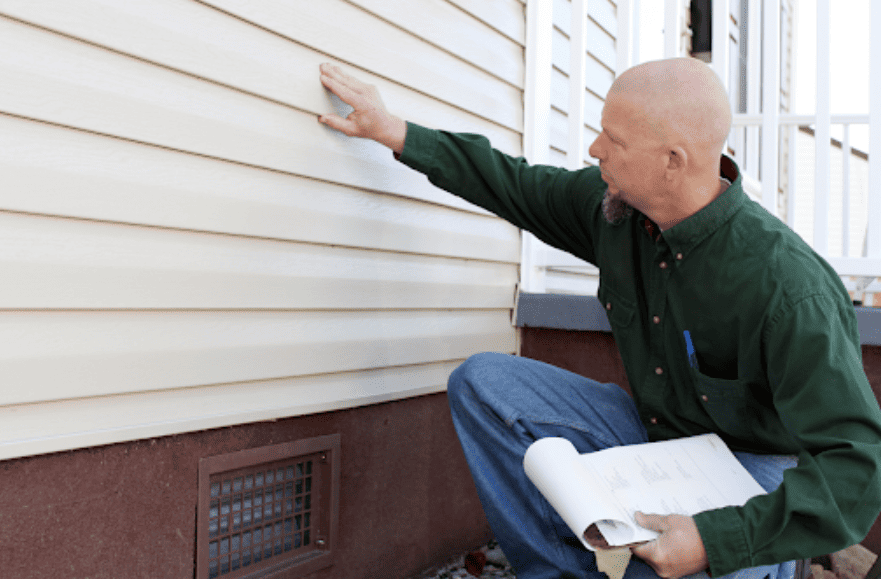
- Inspect trim and corners for gaps and chewing.
- Photograph anything you find for repairs.
Our siding installation and repair crew closes gaps during repairs, our vinyl clapboard siding installers detail trim, and our trim, soffit, and fascia team repairs chewed edges. Read our post on hiring a local siding contractor for more.
What We Check on a Visit
On a visit, our crew looks at the bottom course, the corners, the vents, and the wall penetrations. We write the gaps we find into a scope with photos so you can see where to start.
Siding and Pest Questions From Connecticut Homeowners
How small a gap can a mouse use?
The University of Kentucky sheet says openings about 1/4 inch wide, roughly a pencil’s diameter, let mice in. Rats can pass gaps around 1/2 inch, so even small openings still deserve sealing during a repair job.
Can insects get through very small gaps?
Yes, the same sheet says gaps of 1/16 inch or less will permit entry of insects and spiders. Sealing cracks around windows, doors, and trim helps keep them outside the wall and out of the house.
What should I use to seal pipe and wire entries?
The sheet lists caulk, cement, expanding foam, steel wool, and copper mesh for utility openings. Silicone or acrylic latex caulk suits cracks around windows and doors, and our crew can advise on the right material for you.
How do I protect attic and crawl space vents?
The sheet recommends covering vents with 1/4-inch hardware cloth to keep out birds, bats, squirrels, and rodents. Wear gloves because the cut edges are sharp, or have a professional install the screens for you today.
Can siding trim and corners let pests in?
Yes, open corners, trim joints, and wall penetrations can admit water and pests. InspectApedia lists corners and penetrations as common gap locations, so sealant and trim repair help close those paths for good in time.
Should I call a pest professional or a siding contractor?
Both can play a role. A pest professional deals with the animals or insects themselves, while a siding contractor repairs the gaps and trim that let them in, so the problem does not come back next season.
Found Gaps in Your Siding?
Northeast Gutters & Remodeling can inspect your Connecticut siding and close the gaps pests use.
Phone 860-899-7878 or ask for a free estimate and we will set a visit.
About the Author
Thiago Barboza Batista is the owner of Northeast Gutters & Remodeling, a family-owned contractor in Bloomfield, Connecticut, founded as a gutter company in 2004. He oversees seamless gutter, copper gutter, roofing and siding projects for homeowners across Connecticut, from the free on-site estimate to the final inspection.
Sources
- University of Kentucky Entomology: Pest-Proofing: Gap sizes, sealing materials, and vent screens.
- InspectApedia: Siding Leak Causes: Corners, trim, and penetrations.
- Vinyl Siding Institute: Installation Tips: Expansion allowances and trim details.