Humidity rarely gets the blame for roof trouble, yet moisture is one of the main ways a roofing system ages. In Glastonbury, Connecticut, humid summers and cold winters both push water vapor into spots where it can do damage.
Northeast Gutters & Remodeling inspects roofs and attics for Glastonbury, CT homeowners from our Bloomfield base. Here are the places where humidity shows up most and what to do about each one.
Moisture Collects in the Attic
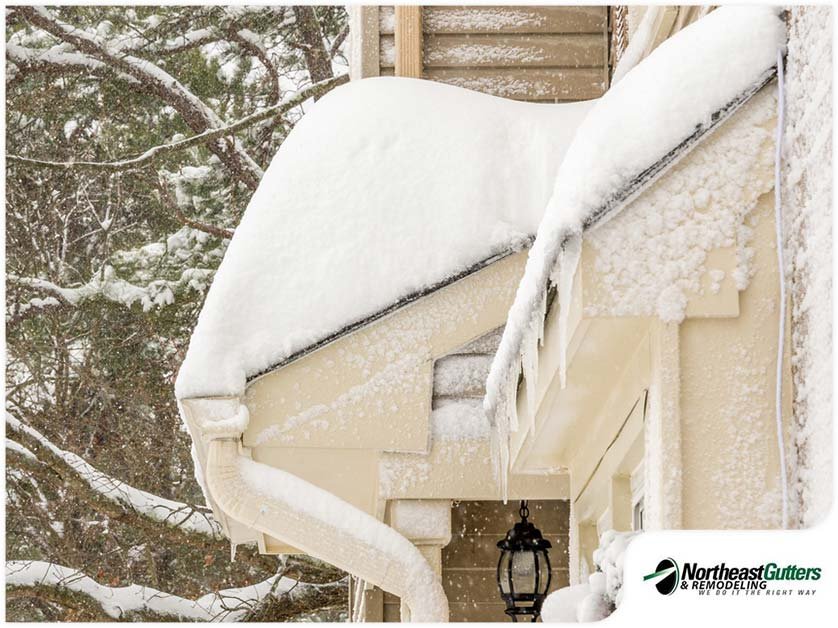
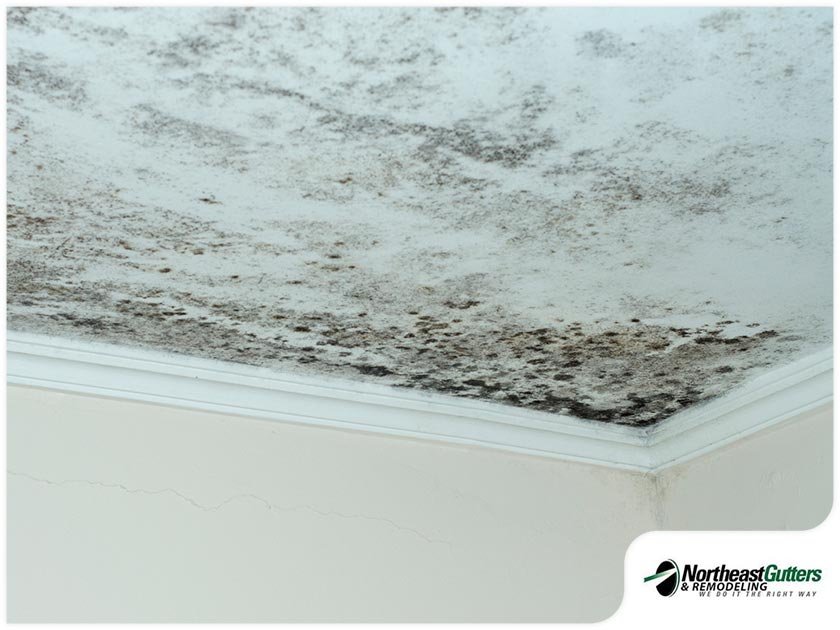
Warm, humid air rises from the living space into the attic. When it meets cold roof boards in winter, it can condense and leave dampness on the deck and the insulation.
Dark stains on the boards, damp insulation, and a musty smell point to moisture that needs better ventilation or air sealing. Catching those signs early keeps the problem small.
Algae Streaks on Shingles
Humid summers help algae grow on asphalt shingles, and the Asphalt Roofing Manufacturers Association describes the discoloration as brown to black streaks that show most on light roofs (ARMA algae guidance).
Cleaning should stay gentle, because the association warns that scrubbing can loosen granules. A professional should handle cleaning that goes beyond a light rinse. Our guide on roof algae streaks covers cleaning and resistant shingles.
Water Vapor and the Wall System
Moisture that gets into a wall or roof assembly can harm the layers under the siding and shingles. University of Massachusetts building science research explains that water can pass through poorly integrated flashing and openings (UMass Amherst).
Good flashing and sealed penetrations limit the paths that humidity and wind-driven rain can use. Our roof installation and repairs team checks those details during an inspection.
Ventilation Balances the Attic
Balanced ventilation moves moist air out and keeps the roof deck closer to the outdoor temperature. Blocked soffit vents or insulation pushed over the vents defeat that balance.
If the attic feels damp or the roof frosts in winter, an attic vent installation can restore airflow. Our attic structural services page covers deck repairs when moisture has already done harm.
Sealant and Fastener Wear
Humidity cycles and temperature swings wear down sealant around vents, chimneys, and flashing. Fasteners that back out or rust give water a path into the deck.
A yearly look after winter catches cracked sealant and lifted edges before water spreads. If the damage points toward replacement, our guide to planning a roof replacement budget helps you prepare.
| Spot | Humidity sign | Next step |
|---|---|---|
| Attic | Damp insulation and a musty smell | Check ventilation and air sealing |
| Shingles | Dark streaks on the surface | Gentle cleaning by a professional |
| Flashing | Stains near chimneys or vents | Reseal or replace the flashing |
| Soffit vents | Frost on the roof in winter | Clear blockage and restore airflow |
A Seasonal Humidity Checklist
- Check the attic for damp insulation and stains.
- Clear soffit vents of insulation and debris.
- Look for dark streaks on the shingles.
- Inspect sealant around vents and chimneys.
- Watch for frost on the roof in winter.
- Call a pro when moisture keeps returning.
A Crew That Checks the Details
Our crew checks the attic, vents, flashing, and shingles, then walks you through what it finds. You leave knowing where humidity gets in and which fix comes first.
Humidity and Roof FAQs
Can humidity damage a roof?
Yes, humidity can damage a roof by feeding algae, condensing in the attic, and wearing down sealant over time. Moisture trapped in the roof deck can lead to rot and mold, so an early inspection protects the structure and keeps repairs small.
What does algae on shingles look like?
The Asphalt Roofing Manufacturers Association describes algae as brown to black streaks that show most on light colored roofs. Gentle cleaning is best, since scrubbing can loosen granules and shorten the life of the shingles on your roof.
Why does my attic feel damp in winter?
Warm indoor air carries water vapor into the attic, where it can condense on cold roof boards and insulation. Better air sealing and balanced ventilation reduce that buildup and help the attic stay dry through the winter season.
How do I know if my attic ventilation is blocked?
Insulation pushed over the soffit vents, frost on the roof in winter, and a damp or musty attic are common signs. A roofer can confirm the cause and restore airflow before moisture damages the roof deck and insulation.
Does humidity affect flashing and sealant?
Humidity and temperature swings wear down sealant, and water can pass through poorly integrated flashing and openings, according to University of Massachusetts research. Checking those details each year helps stop small leaks early, before they reach the roof deck.
When should I call a roofer about moisture?
Call when you see stains on the ceiling, damp insulation, or dark streaks that keep spreading. Our team can inspect the roof and attic, find where humidity is getting in, and explain the best fix for your home.
Is Humidity Getting Into Your Roof?
Northeast Gutters & Remodeling can inspect your roof, attic, and flashing for signs of moisture and explain what to fix first.
Reach us through our free estimate page or call 860-899-7878 to schedule your Glastonbury roof check.
About the Author
Thiago Barboza Batista is the owner of Northeast Gutters & Remodeling, a family-owned contractor in Bloomfield, Connecticut, founded as a gutter company in 2004. He oversees seamless gutter, copper gutter, roofing and siding projects for homeowners across Connecticut, from the free on-site estimate to the final inspection.
Sources
- Asphalt Roofing Manufacturers Association: Algae Discoloration: Why algae streaks form and how to clean gently.
- UMass Amherst Building and Construction Technology: Leaky Housewraps: How water passes through flashing and openings.