
The profile of your siding shapes how it sheds water, how it looks, and how it should be maintained. A lap profile, a board and batten panel, and a shake style each ask for different care.
Northeast Gutters & Remodeling helps homeowners in Bloomfield, Connecticut, and nearby towns understand siding options and the upkeep each one needs. The guide below pairs profile care with material care so the wall keeps shedding water.
What a Profile Means
The profile is the shape of the siding panel, and the exposure is the visible part once the siding is installed. Those two details shape the look and the way water runs down the wall. For the terms behind each profile, see siding profiles explained.
Lap Siding Care
Lap siding has overlapping horizontal boards that shed water along the courses. Keep the lower edges clean, since dirt collects there and holds moisture.
Check the caulk at corners and trim, because a failed joint is a path for water. Our vinyl clapboard siding installation work follows this profile.
Board and Batten Care
Board and batten panels use vertical boards with narrow strips over the seams. Look for gaps along the battens and for dirt that settles at the base of each board.
Our cedar clapboard and vertical siding services cover this look. Vertical lines let water run straight down, so clear debris from the bottom edge.
Care by Material
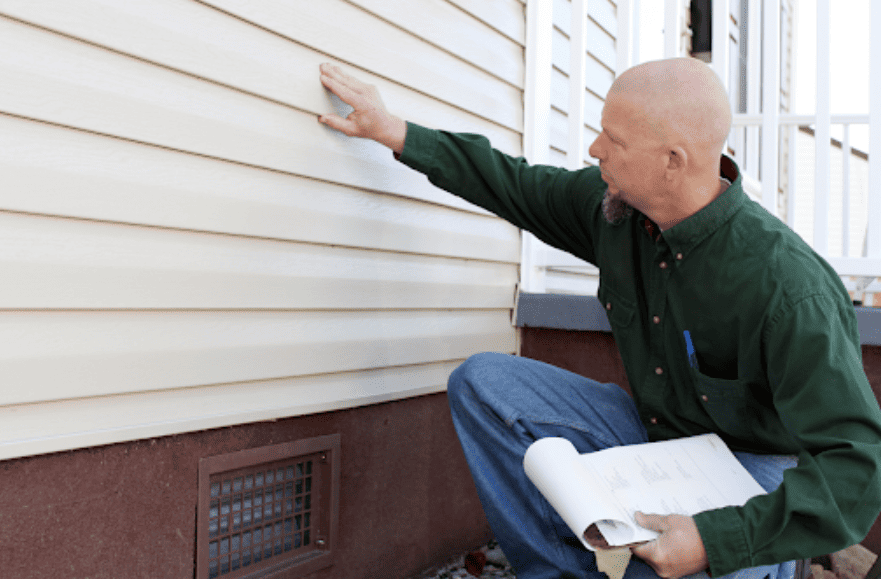
Angi’s guide to cleaning and maintaining siding says vinyl needs a yearly rinse with a garden hose and prompt replacement of cracked sections. It adds that wood should be cleaned at least once a year and restained about once in five years.
Fixr’s siding maintenance comparison says fiber cement needs repainting about once in 15 years and a check of caulked joints a few times over the years. It calls wood the most labor intensive of the materials it covers.
| Material | Routine care | Watch for |
|---|---|---|
| Vinyl | Yearly rinse with a garden hose | Cracks and loose pieces that trap moisture |
| Fiber cement | Rinse twice a year and repaint on schedule | Warping, cracked paint, and mold |
| Wood | Annual cleaning and periodic restaining | Decay, pests, and weather damage |
| Trim and caulk | Inspect joints at corners and openings | Gaps that let water behind the panels |
Protect the Wall Around the Siding
Angi advises keeping bushes, branches, and shrubs off the siding, since moisture reaches the wall through foliage. Keep grills and fire pits away from vinyl, which can warp under heat.
Our trim, soffit, and fascia work protects the edges where water most often gets in. Our blog on hiring a local siding contractor explains how to pick a crew for repairs.
Seasonal Care Checklist
- Rinse the walls with a garden hose in spring.
- Inspect caulk at corners, trim, and openings.
- Replace cracked or loose pieces promptly.
- Trim shrubs back from the walls.
- Clear debris from the bottom edge of the panels.
- Schedule repainting or restaining before the finish fails.
What Our Crew Checks on Site
On an estimate, our crew looks at the profile, the joints, the fasteners, and signs of wall moisture near trim and openings. We write the findings into a scope with photos so you know which care steps matter most for your siding.
Siding Care FAQs
How often should I rinse vinyl siding?
Angi recommends a yearly rinse with a garden hose for vinyl siding, along with prompt replacement of cracked sections. Dark colors can make vinyl warp, so keep grills and fire pits away from the walls of your home.
How often should wood siding be restained?
Angi says wood should be stained about once in five years, or sealed with a clear product more often, and cleaned at least once a year. Fixr adds that wood is the most labor intensive material to maintain.
How long does fiber cement paint last?
Fixr says fiber cement needs repainting about once in 15 years, and Angi puts paint life between 10 and 20 years. Watch for warping, cracked paint, and mold between paint jobs, and inspect the caulk joints too.
Does board and batten need different care than lap siding?
Both profiles need clean lower edges and sound caulk, but board and batten adds strips over the seams that can open up. Check the battens for gaps and clear debris from the base of each board in spring and fall.
Why should shrubs stay away from siding?
Angi advises keeping bushes, branches, and shrubs from touching the siding, because moisture reaches the wall through foliage. Trimming plants back also helps the wall dry after rain and makes inspections of the lower courses easier.
What should I look for during a siding inspection?
Look for cracks, loose pieces, warping, decay, and gaps in the caulk, especially at corners, trim, and openings. Angi says cracked vinyl and warped fiber cement can trap moisture, so note the location and take photos.
Need Your Siding Inspected?
Northeast Gutters & Remodeling can review your siding profile and recommend the care it needs.
Message us through the free estimate form at our estimate page or phone 860-899-7878 to plan an inspection.
About the Author
Thiago Barboza Batista is the owner of Northeast Gutters & Remodeling, a family-owned contractor in Bloomfield, Connecticut, founded as a gutter company in 2004. He oversees seamless gutter, copper gutter, roofing and siding projects for homeowners across Connecticut, from the free on-site estimate to the final inspection.
Sources
- Angi: How to Clean and Maintain Your Siding: Care tips by siding material.
- Fixr: Siding Replacement Cost and Long-Term Maintenance: Maintenance schedule by material.