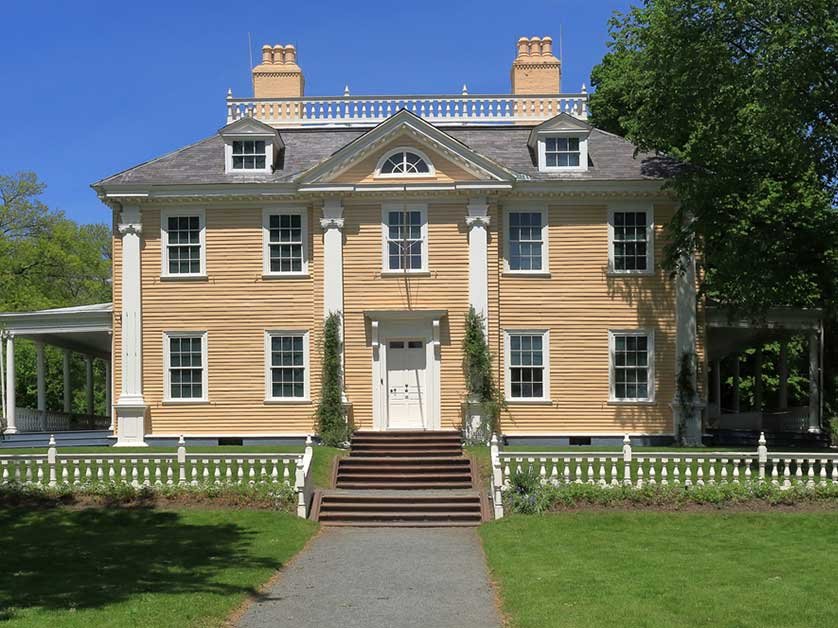
Replacing siding on a historic house is a preservation project as much as a building job. The goal is to protect the details that give the home its character while improving how the walls perform.
Northeast Gutters & Remodeling works with Wethersfield, Connecticut homeowners on older houses, where the town green and the old streets are lined with Colonial and Federal details that neighbors notice.
Start With the Review Process
The Wethersfield Historic District Commission requires a Certificate of Appropriateness for exterior changes visible from a street or sidewalk, and its examples include replacing siding. Ordinary maintenance that does not change the design, materials, or appearance is exempt.
The commission meets on the second and fourth Tuesdays, except in December, and reviews typically take two weeks to two months. Applications may need drawings, material samples, and manufacturer cut sheets, so bring those early.
- Talk first: the Historic District Coordinator can give informal feedback.
- Apply: use the Building Department form and meet the posted deadline.
- Prepare samples: profile, exposure, color, and trim details.
- Plan the timing: an approval is valid for one year, and changes need an amended certificate.
Ask us to note these steps in the written scope so the schedule reflects the review time.
Choose Materials That Respect the House
Lowe’s siding guide describes wood as the authentic option that can be painted or stained, with paint lasting up to 10 years and stain needing renewal after 3 to 5 years. Fiber cement is thicker and longer lasting than vinyl and can be painted, while vinyl needs no painting.
| Material | Strength for historic homes | Watch for |
|---|---|---|
| Wood clapboard | Matches original profile and grain | Regular paint and sealed joints |
| Fiber cement | Paintable with a crisp lap | Careful handling, since it can crack |
| Engineered wood | Wood look, easier to install | Check the finish before staining |
| Vinyl | Low maintenance | Profile and trim may not match the original |
Our cedar clapboard and vertical siding crews can match traditional lap and exposure, and our custom siding solutions cover less common profiles.
Protect the Trim and Details
Corner boards, window casings, cornices, and water tables define a historic facade, so they deserve as much planning as the siding. Rotted trim should be repaired or replicated to the original profile rather than covered.
Our trim, soffit, and fascia work matches existing dimensions, and our post on hiring a local siding contractor explains why local knowledge matters on older homes.
What We Cover in the Visit
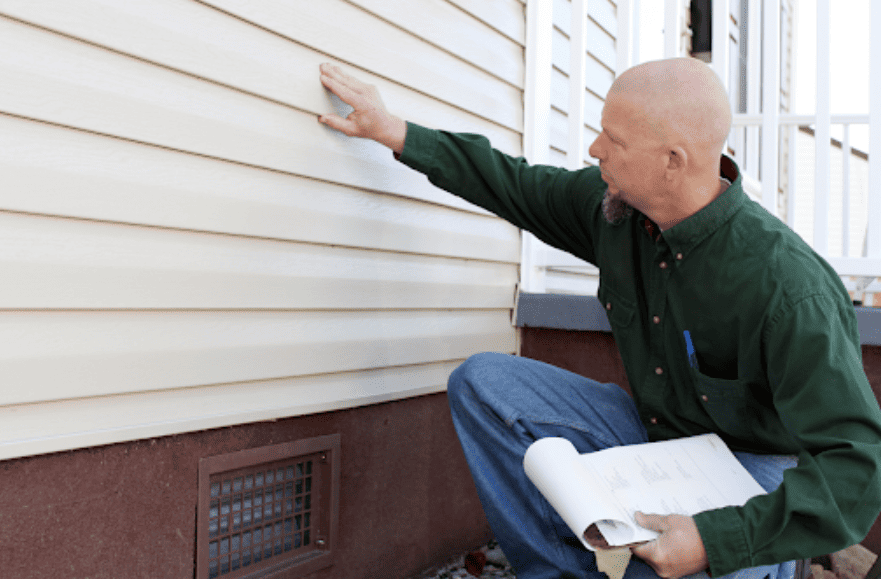
During a visit, our crew looks at the existing boards, the trim, the sheathing where it is visible, and signs of moisture behind the siding. We write the recommended materials, details, and review steps into a scope you can share with the commission.
Historic Siding Questions From Wethersfield Homeowners
Do I need approval to replace siding in a Wethersfield historic district?
Exterior changes visible from a street or sidewalk need a Certificate of Appropriateness, and replacing siding is one of the town’s listed examples. Ordinary maintenance that does not change the look is exempt, so confirm with the town first.
How long does the commission review take?
The town says the process typically takes two weeks to two months, depending on complexity. The commission meets on the second and fourth Tuesdays except in December, so build that time into your schedule before work starts.
What materials usually suit a historic home?
Wood clapboard best matches the original profile, and fiber cement can offer a similar lap with less upkeep over the years. The commission will want to see samples, so bring profile, exposure, and color details to the application.
Can I keep the original trim?
Often yes, because sound trim can be repaired and repainted, and rotted pieces can be replaced with matching profiles. Keeping the original details can help a historic district review go smoothly and protects the look of the house.
How long does an approval last?
The town states that a Certificate of Appropriateness is valid for one year, and changes to an approved project require an amended certificate. Plan your start date so the approval does not expire before the work begins on site.
Does the work require a building permit too?
Some Connecticut towns list new siding as a permitted project, so confirm the requirement with the Wethersfield Building Department. Ask us to note both the historic review and the permit steps in the written scope for you.
Planning Siding for a Historic Home?
Northeast Gutters & Remodeling can inspect your Wethersfield home and explain materials, trim, and review steps.
Call us at 860-899-7878 or request a free estimate to get started.
About the Author
Thiago Barboza Batista is the owner of Northeast Gutters & Remodeling, a family-owned contractor in Bloomfield, Connecticut, founded as a gutter company in 2004. He oversees seamless gutter, copper gutter, roofing and siding projects for homeowners across Connecticut, from the free on-site estimate to the final inspection.
Sources
- Town of Wethersfield: Historic District Commission: Certificate of Appropriateness, exemptions, meeting schedule, and timing.
- Lowe’s: Siding Buying Guide: Wood, fiber cement, engineered wood, and vinyl characteristics.