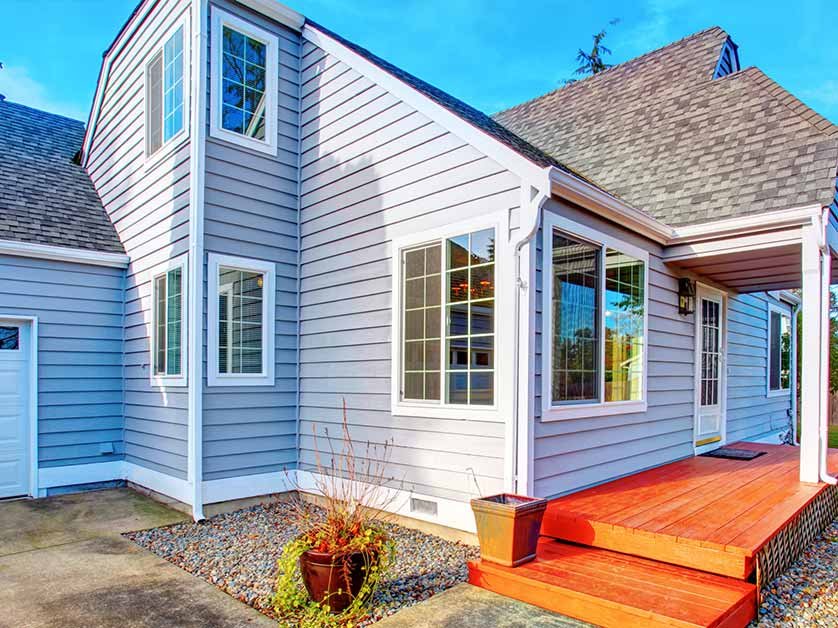
Drafty walls and uneven room temperatures often start behind the siding, not in front of it. New panels alone add little insulation, but a full wall upgrade can make a real difference in comfort.
Northeast Gutters & Remodeling helps West Hartford, Connecticut homeowners plan siding projects that treat the whole wall, since the housing stock ranges from older Colonials and Tudors to later ranches and split levels.
Why Walls Lose Heat
The Department of Energy’s rigid insulation guidance explains that wood framing is a thermal weak point, because wood offers about a quarter of the thermal resistance of most insulation. A continuous layer of rigid foam outside the framing helps interrupt that heat path.
The same page says placing foam outside the framing moves condensation temperatures out of the wall cavity, which lowers moisture risk and reduces drafts. It also notes that seams should be taped to help seal air leaks.
What a Siding Upgrade Can Add
- Continuous rigid foam: installed over the sheathing under a water resistant barrier.
- Sealed seams: taped on clean, dry surfaces to cut air movement.
- New flashing and caulk: fresh joints around windows, doors, and corners.
- Insulated siding: panels that can be used alone or combined with foam.
The page gives R-5 as the minimum total wall insulation in Climate Zones 5 through 8, which covers Connecticut. A rater can verify the result, which is why we like to document the wall layers in the scope.
| Upgrade | What it improves | Good to know |
|---|---|---|
| Water resistant barrier | Moisture control | Goes under the foam or is part of it |
| Continuous rigid foam | Heat loss through framing | Seams should be taped |
| Fresh flashing and sealant | Air and water leaks | Done around each opening |
| New siding panels | Appearance and wind protection | Adds little insulation by itself |
Our vinyl clapboard siding installation and siding installation and repair teams plan the wall layers with the panels, and our cedar clapboard and vertical siding options suit older homes.
Comfort Starts With the Details
Windows, doors, and corners are common spots for air leaks, and sealing those joints during a siding project costs little. It is one of the simplest ways to improve comfort while the wall is open.
Attic airflow matters too, so our attic vent installation work and our post on why a local siding contractor helps round out the plan.
What We Look at Before Pricing
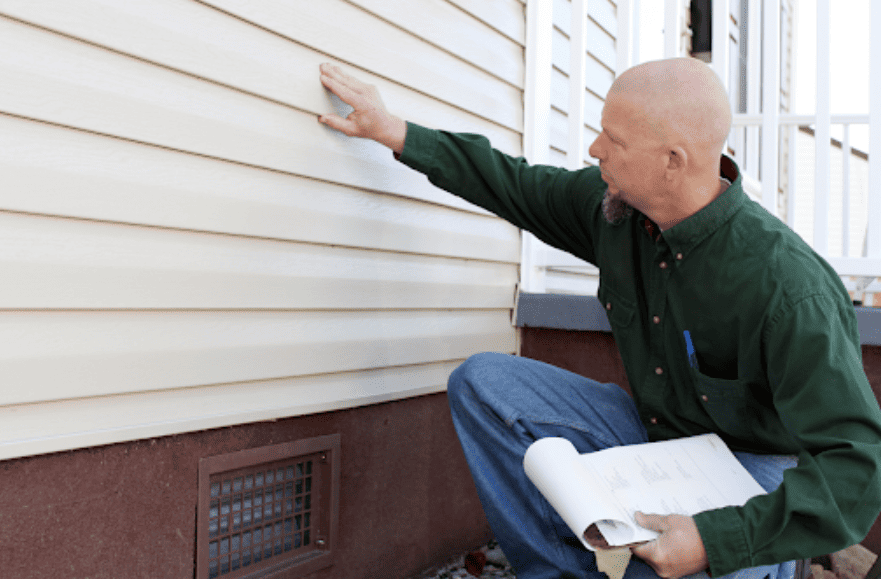
To price a job, we inspect the old siding, the visible sheathing, the windows, and any moisture clues behind the panels. The wall layers, sealing steps, and permit notes then go into a written scope for easy comparison.
For permits, confirm the steps for alterations and repairs with the West Hartford Building Department.
Siding and Energy Questions From West Hartford Homeowners
Does new siding make my house more energy efficient?
Siding panels alone add little insulation, but a full wall upgrade with sealed seams and continuous foam can reduce drafts and heat loss. The gains come mostly from the layers installed behind the panels, not from the panels.
What is continuous rigid insulation?
It is a layer of rigid foam installed outside the wall framing, over the sheathing, that interrupts heat flow through the studs. The seams are taped, and the foam goes over a water resistant barrier on the wall.
Can new siding help with moisture problems?
Yes, when it comes with proper flashing, a water resistant barrier, and foam outside the framing. Moving the foam outside shifts condensation away from the cavity, which lowers moisture risk in the wall over time.
What R value should I aim for?
The DOE page gives R-5 as the minimum total wall insulation in Climate Zones 5 through 8. A rater can confirm whether a wall meets that number, and we note the planned wall layers in the written scope.
Is insulated siding a good option?
Insulated siding can be used alone or combined with rigid foam, and it can improve comfort on some homes. We compare it with a foam and standard panel system in the scope so you can weigh the cost.
Do I need a permit for a siding replacement in West Hartford?
Check with the town’s Building Department, which handles permits for alterations and repairs in West Hartford. We can include those permit steps in the written scope, so the schedule has room for the review time up front.
Want a Warmer, Tighter Home?
Our team at Northeast Gutters & Remodeling can look over your West Hartford walls and explain which upgrades suit your siding project.
Call 860-899-7878 or ask for a free estimate and we will set a visit.
About the Author
Thiago Barboza Batista is the owner of Northeast Gutters & Remodeling, a family-owned contractor in Bloomfield, Connecticut, founded as a gutter company in 2004. He oversees seamless gutter, copper gutter, roofing and siding projects for homeowners across Connecticut, from the free on-site estimate to the final inspection.
Sources
- DOE: Continuous Rigid Insulation Sheathing and Siding: Thermal bridging, foam placement, taped seams, moisture, and the R-5 minimum.
- Town of West Hartford: Building Department: Permits for alterations and repairs.