
Most siding replacements follow a clear sequence: preparation before the crew arrives, protection and tear-off, weather barrier and flashing, installation, trim, and a final check. Knowing each stage helps you plan your days and spot problems early.
Northeast Gutters & Remodeling replaces siding for Vernon, Connecticut homeowners, and your schedule will depend on the home and the weather.
Before the Crew Arrives
After the contract is signed, materials are chosen and ordered and a start date is set. This is the time to ask about permits, deliveries, and how the crew will protect your property.
A few days before the start, move vehicles from the driveway, clear space around the walls, and take down anything hanging on the exterior.
Day One: Protection and Tear-Off
Crews usually begin by protecting landscaping, windows, and walkways. Then they remove the old siding, trim, and any damaged sheathing.
The opened wall is the moment of truth. Rot or moisture found at this stage is repaired before anything new goes on. To prepare the house, see how to prepare before installers arrive.
Day Two: Weather Barrier and Flashing
New house wrap or a weather barrier goes on, with flashing at windows, doors, and joints. These layers do the hidden work of keeping water out, so they should be installed carefully and lapped correctly.
Days Three and Four: Installing the Siding
Panels go up from the bottom, with fasteners placed so the material can move. The Vinyl Siding Institute’s installation tips note that vinyl can expand or contract about half an inch over a 12 foot 6 inch length, which is why panels are not nailed tight.
Clearances at openings and stops leave room for that movement.
Trim, Corners, and the Final Walkthrough
Corners, window and door trim, soffit, and fascia are finished next. Our trim, soffit, and fascia work page covers these details, which shape how the finished house looks.
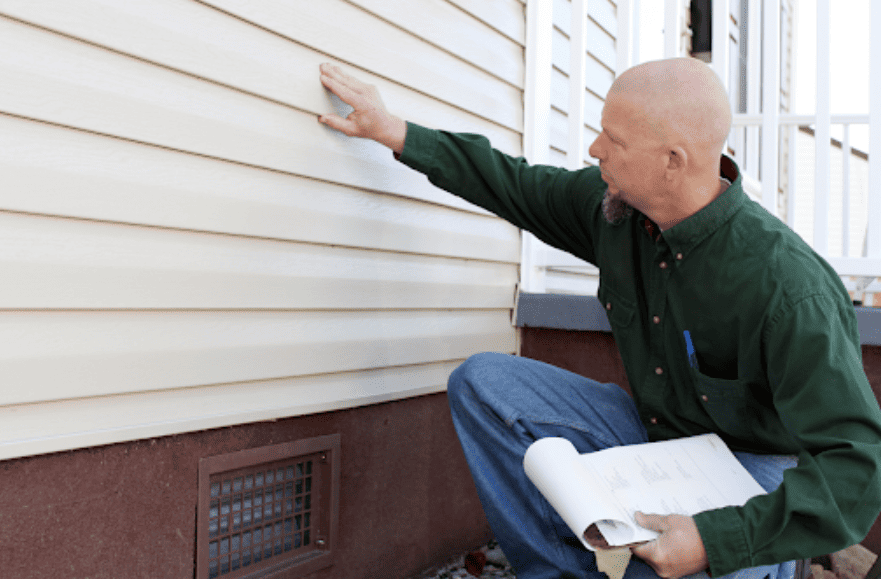
The crew cleans up nails and scraps, and a magnet sweep is a good request. Walk the house with the project lead and look at the corners, trim, and caulk lines.
| Stage | What happens | What you can do |
|---|---|---|
| Before start | Order materials, confirm permits | Clear space and move vehicles |
| Tear-off | Old siding and damaged sheathing removed | Expect noise and debris |
| Barrier and flashing | Weather barrier and flashing installed | Ask to see photos if you are away |
| Installation | Panels and trim go on | Check progress and color |
| Final check | Cleanup and walkthrough | Review corners, trim, and caulk |
See our siding installation and repair and vinyl clapboard siding pages for materials. Cedar clapboard is another option.
What Our Crew Checks Along the Way
At each stage, our crew checks the sheathing, flashing laps, and fastener placement before the next layer goes on. We keep that sequence in the project scope so each step is accounted for.
Permits and Inspections in Vernon
Vernon says that inspections should be scheduled at least 48 hours in advance and that an adult familiar with the work must be on site. Ask your contractor how permits and inspections are handled for your project.
For help choosing a team, read why a local siding contractor helps.
Frequently Asked Questions About a Siding Replacement Project
How long does a siding replacement take?
Many homes take several days, depending on size, complexity, and weather. Your contractor can give a schedule once the walls are reviewed and the materials are ordered and a short call can clear up the details.
Do I need to be home during the work?
It helps to be reachable, but you do not have to be home all day. Vernon says an adult familiar with the work must be on site for inspections, so plan who will be available and the answer is worth having in writing.
What happens if rot is found under the old siding?
Damaged sheathing or framing is repaired before the new siding goes on. Ask how extra repairs are priced in advance so the cost does not come as a surprise because small details add up over time.
Why is vinyl siding not nailed tight?
Vinyl moves with outdoor temperature, so panels need room to expand and contract. Fasteners are placed so the panel can slide, which prevents buckling as the seasons change and a short call can clear up the details.
How should I prepare my yard?
Move vehicles, clear space around the walls, and take down anything hanging on the exterior. Protecting plants and walkways is usually part of the crew’s setup on the first day which keeps the project on track.
How are permits and inspections handled?
Ask your contractor who applies for the permit and who schedules the inspections. Vernon asks that inspections be booked at least 48 hours ahead, with an adult on site, so plan who will be there that day.
Plan Your Siding Project Schedule
If you are planning a siding replacement in Vernon, we can walk through the schedule with you. Call 860-899-7878 or send a request through our free estimate form.
You will see each stage in the written scope.
About the Author
Thiago Barboza Batista is the owner of Northeast Gutters & Remodeling, a family-owned contractor in Bloomfield, Connecticut, founded as a gutter company in 2004. He oversees seamless gutter, copper gutter, roofing and siding projects for homeowners across Connecticut, from the free on-site estimate to the final inspection.
Sources
- Vinyl Siding Institute, Installation Tips and Tricks: Expansion, contraction, and fastener placement for vinyl siding.
- Town of Vernon, Building Department: Scheduling inspections and what the owner and contractor handle.