Roof decking is the structural layer under the shingles, and damaged decking is one of the hardest roof problems for a homeowner to fix alone. In Connecticut, the repair takes safe roof access, the right materials, and a clear view of how far the damage extends.
Northeast Gutters & Remodeling, a Bloomfield, CT roofing contractor, inspects and repairs roof decks as part of asphalt shingle roofing projects across the Hartford area. This guide explains why the work belongs with a professional.
What Decking Does
The deck supports the shingles, carries snow and wind loads, and holds the nails that keep the roofing in place. When it is soft, warped, or rotted, the whole roof system is weaker.
The Asphalt Roofing Manufacturers Association says new shingles cannot be properly applied over roof decks with warped, rotted, or unsound support that should first be replaced or repaired (ARMA FAQ). Uneven surfaces for nailing are another condition the association names.
Why the Damage Is Hard to See
Decking damage usually hides under intact shingles. A homeowner may see a small stain in the attic while the rot covers a much larger area.
Water that travels along a rafter can soften boards several feet from the original leak. The visible damage often understates the problem.
The Safety Problem
Repairing decking means working on the roof, often near the edge and on a slope. That exposure is the main reason homeowners should not attempt structural work themselves.
OSHA requires fall protection at six feet in the construction industry, a reminder of how serious roof height is (OSHA fall protection). A wet, icy, or debris covered roof raises the risk further, and a professional crew brings the equipment and training to work safely.
Structure Requires Correct Methods
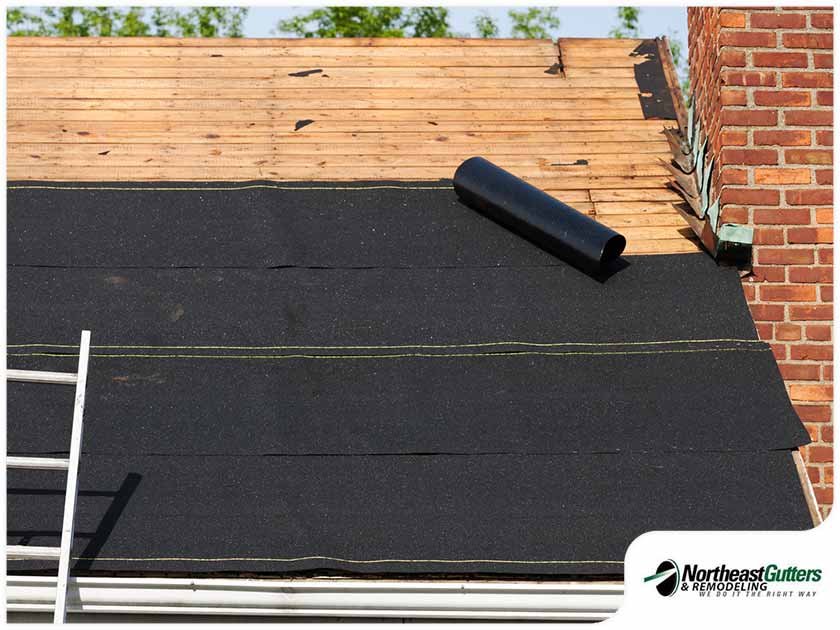
Replacing a section of decking involves cutting out damaged boards, matching thickness, and fastening the new pieces into the framing. Each step affects the load path.
An improper repair can leave soft spots or weak nailing under the shingles, and structural work may involve permits, as our blog on roofing permits explains. Our roof installation and repairs team handles the deck before new roofing goes on.
Moisture and Ventilation
Decking rots when moisture lingers, so the cause matters as much as the repair. ARMA describes ventilation as the flow of outside air through the space beneath the deck, and it links poor attic moisture control to problems such as mold, wood rot, and wet insulation (the association’s guidance).
If vents are blocked or missing, an attic vent installation can help keep the deck dry after the repair. Our attic structural services page covers framing and deck work in the attic.
| Warning sign | What it can mean | Next step |
|---|---|---|
| Sagging or soft spots | Weakened or rotted boards | Professional inspection before new shingles |
| Attic stains | An active leak above | Trace the water path |
| Uneven shingle surface | A warped or uneven deck | Repair the deck before reroofing |
| Musty attic or frost | Moisture or poor ventilation | Check vents and air sealing |
What to Do Before You Climb
- Stay off a wet, icy, or sagging roof.
- Check the attic for stains and damp boards.
- Note soft spots or sagging from the ground.
- Photograph the damage and the attic for your records.
- Call a professional for an inspection.
- Ask whether ventilation needs attention too.
A Crew That Works Safely
Our crew inspects the deck, repairs the damaged sections, and checks the ventilation before the shingles go back on. You get a repair that supports the roof instead of hiding the problem.
Roof Decking FAQs
Can I repair roof decking myself?
Decking repair means working on a slope, often near the roof edge, and it affects the structure that holds up your shingles. That exposure and the need for correct methods are why a professional crew should handle the work.
How do I know if my decking is damaged?
Soft spots, sagging, attic stains, and a musty smell are common clues, but the visible damage often understates the problem. A professional inspection shows how far the rot extends across the deck before new shingles are installed on your roof.
Can new shingles go over damaged decking?
ARMA says new shingles cannot be properly applied over roof decks with warped, rotted, or unsound support that should first be replaced or repaired. Uneven surfaces for nailing are another condition the association lists, so the deck comes first.
Why does decking damage spread past the leak?
Water that travels along a rafter can soften boards several feet from the original leak, and the shingles above can look intact. That is why a small attic stain can point to a much larger area of rot.
What does ventilation have to do with decking?
ARMA links poor attic moisture control to problems such as mold, wood rot, and wet insulation, and it describes ventilation as outside air flowing through the space beneath the deck. Balanced vents help keep the deck dry after a repair.
What safety rules apply to roof work?
OSHA requires fall protection at six feet in the construction industry, and a wet, icy, or debris covered roof raises the risk further. A professional crew brings the equipment and training to work safely at that height on your roof.
Worried About Your Roof Deck?
Northeast Gutters & Remodeling can inspect your decking, find the source of the moisture, and explain the repair before shingles go on.
Reach us through our free estimate page or call 860-899-7878 to book a roof deck inspection.
About the Author
Thiago Barboza Batista is the owner of Northeast Gutters & Remodeling, a family-owned contractor in Bloomfield, Connecticut, founded as a gutter company in 2004. He oversees seamless gutter, copper gutter, roofing and siding projects for homeowners across Connecticut, from the free on-site estimate to the final inspection.
Sources
- Asphalt Roofing Manufacturers Association: Frequently Asked Questions: Deck condition, nailing surfaces, and attic ventilation.
- OSHA: Fall Protection: Fall protection requirements in construction.