Mature trees make Connecticut neighborhoods attractive, but they also drop material onto roofs all year. Most of it is harmless on its own, and the trouble starts when debris sits for weeks, traps moisture, or strikes the surface in a storm.
Northeast Gutters & Remodeling repairs roofs in Glastonbury, Connecticut and often finds the same four kinds of debris behind the damage. Knowing how each one harms a roof helps you decide what to clear and when.
1. Leaves and Pine Needles
Leaves and needles collect in valleys, against chimneys, and along the gutter line. GAF’s ground inspection guide says to look with binoculars for moss, leaves, algae, or other debris, because they can trap moisture and lead to leaks.
In a valley, a thick pile can push water sideways under the shingles instead of letting it run off.
2. Branches and Limbs
A fallen branch can crack or puncture shingles, tear flashing, and dent metal parts. Overhanging limbs also scrape the surface in windy weather and wear away granules over time.
After a storm, check for bare spots, lifted tabs, and bent flashing. Our storm damage roof repairs crew handles the repair and can document the damage with photos.
3. Moss and Algae Growth
The Asphalt Roofing Manufacturers Association algae guide says algae discoloration is usually brown to black and can be mistaken for moss or tree droppings. Moss and droppings typically cause localized stains, while algae can streak.
ARMA warns against scrubbing, brushing, or power washing, because friction can remove granules. A bleach solution only lightens stains for a while, and ARMA recommends professionals since cleaning can make the roof slippery.
4. Buildup Along the Gutter Line
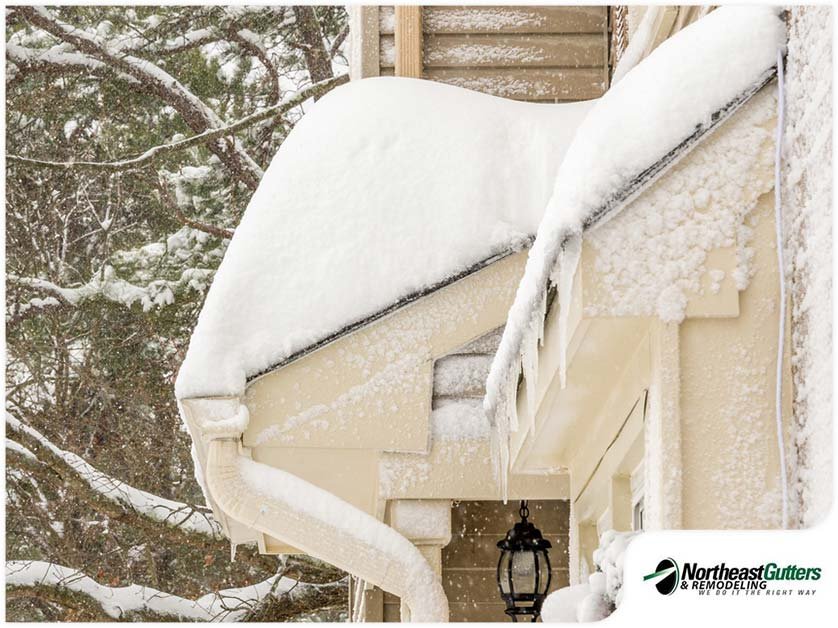
Granules, seeds, and sludge collect where the roof meets the gutter, and a clogged channel can back water under the first course of shingles. Granules in the gutter can also be a sign that shingles are aging.
Our gutter cleaning and maintenance programs keep that edge clear, and our gutter repairs for leaks, pitch, and fasteners team fixes the low spots that hold debris.
| Debris | How it harms the roof | What to do |
|---|---|---|
| Leaves and needles | Hold moisture, block valleys | Clear gently from the ground or hire a pro |
| Branches and limbs | Crack shingles, bend flashing | Trim overhanging limbs and inspect after storms |
| Moss and algae | Stain and hold moisture | Avoid scrubbing, ask about safe cleaning |
| Gutter line buildup | Backs water under shingles | Clean the channels and downspouts |
What We Review Before You Sign
Before you sign, our crew looks at valleys, flashing, the gutter edge, and the nearby trees. We write the cleaning, repair, and prevention steps into a scope you can compare, along with permit notes.
Routine upkeep and small repairs are treated differently from a re-roof on the town’s building permit page, which lists re-roofs over 25 percent of the roof area as permitted work. Our roof installation and repairs page explains the larger options, and our post on common gutter damage causes shows how debris affects the edge.
Roof Debris Questions From Glastonbury Homeowners
Is it safe to clear debris off my own roof?
Stay off the roof for routine checks, and use binoculars from the ground to see what has collected. A trained crew has the equipment to clear valleys and chimneys safely without damaging the shingles or the flashing.
Do leaves really damage shingles?
Leaves themselves are not harmful, but wet piles hold moisture against the roof and can block valleys. A thick layer can push water sideways under the shingles, which is why clearing it matters before the first snow.
Can I pressure wash moss or algae off my roof?
No, ARMA says high pressure washing is likely to damage asphalt roofing, and scrubbing can remove granules from the surface. Ask a professional about safe cleaning and about algae resistant shingles when you reroof your Glastonbury home.
What should I check after a storm?
Look from the ground for missing or lifted shingles, bare spots, bent flashing, and debris in valleys. Take photos, check the attic for stains, and call a roofer if something looks wrong after the storm passes.
Should I trim trees that overhang my roof?
Trimming overhanging limbs reduces scraping in wind and lowers the amount of debris that lands on the roof. A tree service can do it safely, and we can point out the areas we see from the roof edge.
Do I need a permit to repair roof damage in Glastonbury?
Small repairs and routine upkeep generally sit outside the permit rules on the town page, which lists re-roofs over 25 percent of the roof area as permitted work. We can confirm the right path for your project and note it in the scope.
Worried About Roof Debris?
Northeast Gutters & Remodeling can inspect your Glastonbury roof and clear or repair what the debris has damaged.
Call us at 860-899-7878 or request a free estimate to get started.
About the Author
Thiago Barboza Batista is the owner of Northeast Gutters & Remodeling, a family-owned contractor in Bloomfield, Connecticut, founded as a gutter company in 2004. He oversees seamless gutter, copper gutter, roofing and siding projects for homeowners across Connecticut, from the free on-site estimate to the final inspection.
Sources
- GAF: How to Conduct a Roof Inspection From the Ground: Using binoculars to spot moss, leaves, and debris that trap moisture.
- ARMA: Algae Discoloration of Roofs: Appearance of algae, cleaning cautions, and algae resistant shingles.
- Town of Glastonbury: Applying for a Building Permit: Permit requirements for roofing work.