Roof fires are less common in Connecticut than in drier regions, but embers, sparks, and dry debris can still ignite a roof. A few simple habits lower that risk without major work.
Northeast Gutters & Remodeling, a family-owned contractor in Bloomfield, CT, cleans gutters, trims exposure points, and installs asphalt shingle roofing across the Hartford area. These steps are practical starting points for most homeowners.
Know Your Roof Covering
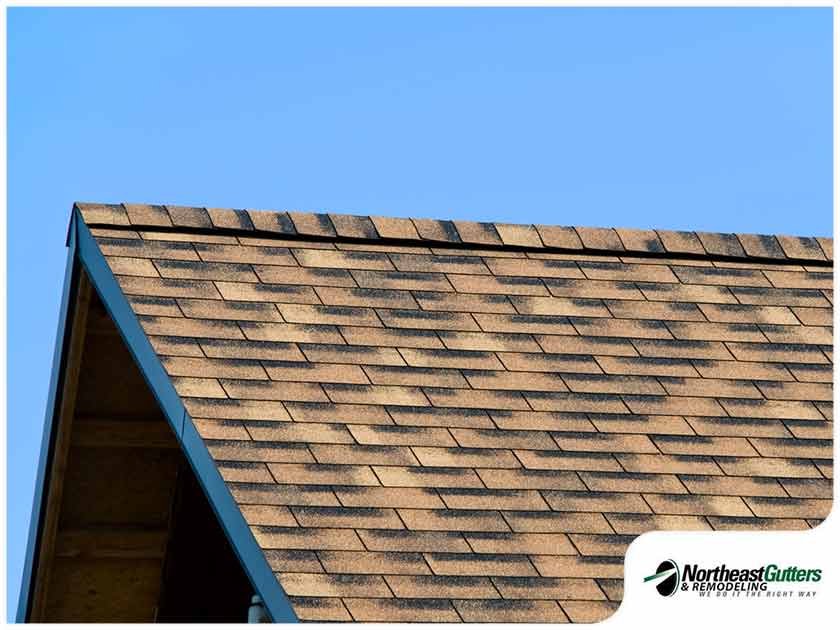
The Texas A&M Forest Service’s Firewise roofing fact sheet says roof coverings are rated Class A, B, C, or unrated, with Class A performing best. It lists asphalt fiberglass composition shingles among the common Class A materials.
Untreated wood shake or shingle roofs pose the greatest risk, according to the same sheet. If you are unsure of your rating, have a professional roofer confirm it, which also helps when you compare replacement options.
Clear Gutters and Debris
The fact sheet explains that wind blown leaves and pine needles collect on roofs and in gutters, where embers can ignite them and flames can reach the roof edge and siding. It recommends removing debris from the roof and gutters at least twice a year.
Our gutter cleaning and maintenance programs handle the trough and the outlets. Our asphalt shingle roofing page explains the covering we install. For how roofing materials are rated, see roof fire ratings.
Trim Overhanging Branches
Branches that hang over the roof drop debris and give embers a path to the shingles. The fact sheet recommends trimming tree branches that overhang the roof.
Trim with care and keep tools away from power lines. If a large limb hangs over the roof, a professional tree service is the safer choice.
Screen the Attic Vents
A research sheet from the Insurance Institute for Business and Home Safety on reducing roof vulnerability to wildfire says vents, eaves, and soffits can let embers and flames into attics and crawlspaces. The Texas A&M sheet recommends noncombustible, corrosion resistant metal mesh of about one eighth inch over attic, gable, and under eave vents.
Check the mesh each spring, since it can loosen or collect debris over time. Our attic vent installation service can screen and replace vents.
| Action | Why it helps | How often |
|---|---|---|
| Clear gutters and roof debris | Dry debris can catch embers | At least twice a year |
| Trim overhanging branches | Limits fuel and ember paths | Once a year |
| Screen attic and gable vents | Keeps embers out of the attic | Check each spring |
| Check eaves and soffits | Finds damaged or open areas | Check each season |
Check Eaves and Soffits
The Texas A&M sheet advises inspecting the areas under eaves and soffits for deteriorated materials. Gaps there can let embers into the attic.
Our trim, soffit, and fascia work repairs damaged boards, and our roof installation and repairs crew fixes weak spots at the roof edge. Our blog on gutter damage and its common causes shows what to watch for.
Roof Fire Safety Checklist
- Confirm your roof covering’s fire rating.
- Clear leaves and needles from the roof and gutters.
- Trim branches that overhang the roof.
- Screen vents with fine metal mesh.
- Inspect eaves and soffits each season.
- Call a pro for weak or open areas.
What Our Crew Looks At on Site
Our crew reviews the roof covering, gutters, vents, and soffits, then writes a short scope with photos. You get a list of simple steps that lower fire risk at your home.
Roof Fire Risk FAQs
What does a Class A roof rating mean?
The Texas A&M Forest Service says roof coverings are rated Class A, B, C, or unrated, and Class A performs best against fire. Asphalt fiberglass composition shingles are among the common Class A materials for homes.
How often should gutters be cleared?
The Firewise fact sheet recommends removing debris from the roof and gutters at least twice a year, or more often if needed. Leaves and pine needles can catch embers and let flames reach the roof edge.
Why screen attic vents?
The Insurance Institute for Business and Home Safety says vents, eaves, and soffits can let embers into attics and crawlspaces. The Texas A&M sheet recommends fine corrosion resistant metal mesh of about one eighth inch.
Are wood shake roofs a fire risk?
The Texas A&M sheet says untreated wood shake or shingle roofs pose the greatest risk. If a wood roof lacks manufacturer documentation of a fire retardant, it should be treated as untreated for planning purposes.
Should I trim branches over my roof?
Yes, the fact sheet recommends trimming tree branches that overhang the roof, since they drop debris and give embers a path. Hire a tree service for large limbs and keep tools away from power lines.
How can I find out my roof’s fire rating?
If you are unsure of your roof’s rating, the Texas A&M sheet advises having a professional roofer determine it. A roofer can confirm the covering and the underlayment assembly, which matters when you compare replacement options.
Want a Roof Fire Risk Check?
Northeast Gutters & Remodeling can review your roof, gutters, and vents and suggest simple steps to lower risk.
Book through our free estimate page or call 860-899-7878 to schedule a look at your roof edge.
About the Author
Thiago Barboza Batista is the owner of Northeast Gutters & Remodeling, a family-owned contractor in Bloomfield, Connecticut, founded as a gutter company in 2004. He oversees seamless gutter, copper gutter, roofing and siding projects for homeowners across Connecticut, from the free on-site estimate to the final inspection.
Sources
- Texas A&M Forest Service: Firewise Roofing Materials: Fire ratings, debris, vents, and soffits.
- IBHS: Reduce Your Roof’s Vulnerability to Wildfire: Embers, gutters, and vent openings.