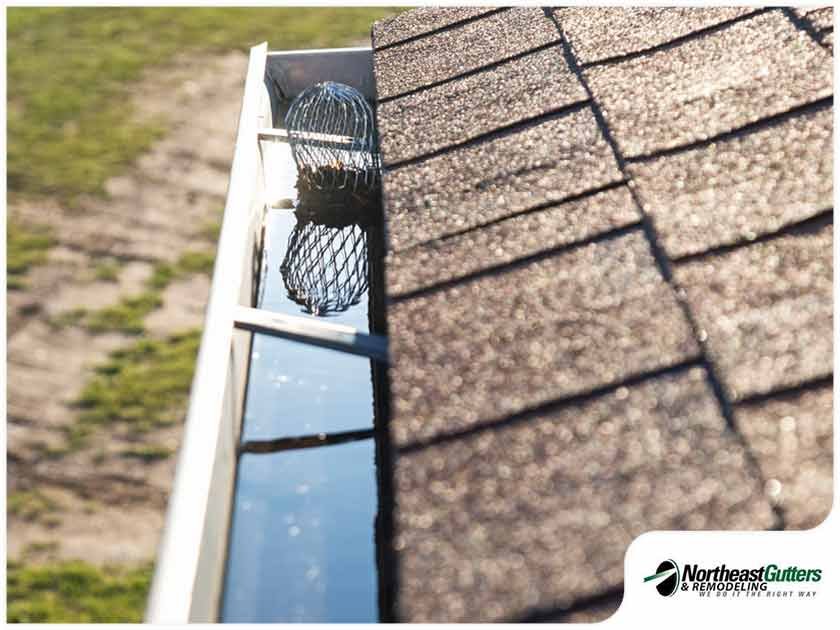
Standing water in a gutter is more than an eyesore. In Connecticut, it can rot the fascia, stain the siding, freeze into ice, and send water toward the foundation.
Northeast Gutters & Remodeling repairs gutters and the roof edges they attach to across the Hartford area, working from its Bloomfield, CT base as a family-owned company. This guide explains the dangers and what to do about them.
Why Water Sits Instead of Flowing
A gutter should carry water to the outlet. When a section has no slope or a clog, the water stays in the trough and adds weight to the hangers.
Wikipedia’s rain gutter article notes that clogged gutters can cause water to back up and enter the building, and that standing water can let mosquitoes breed. Our gutter repairs crew corrects slope and clogs together.
Fascia Rot and Siding Stains
Water that spills over the trough soaks the fascia board behind it. Over time the wood softens and the hangers lose their hold.
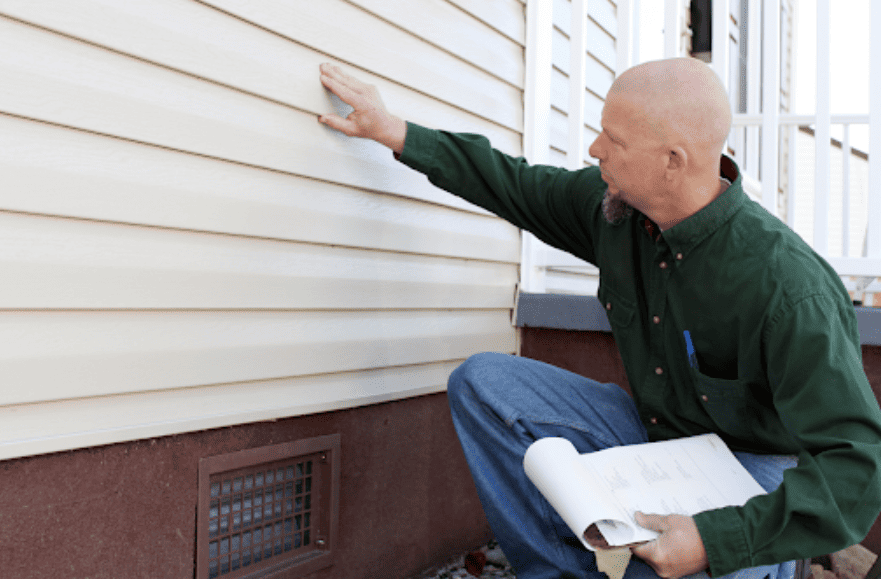
Overflow also runs down the wall and leaves streaks on the siding. Check the wall under each downspout and gutter end after heavy rain.
Our trim, soffit, and fascia work replaces soft boards before new gutters go on. To fix it, read how to fix gutters that hold water.
Ice in Winter
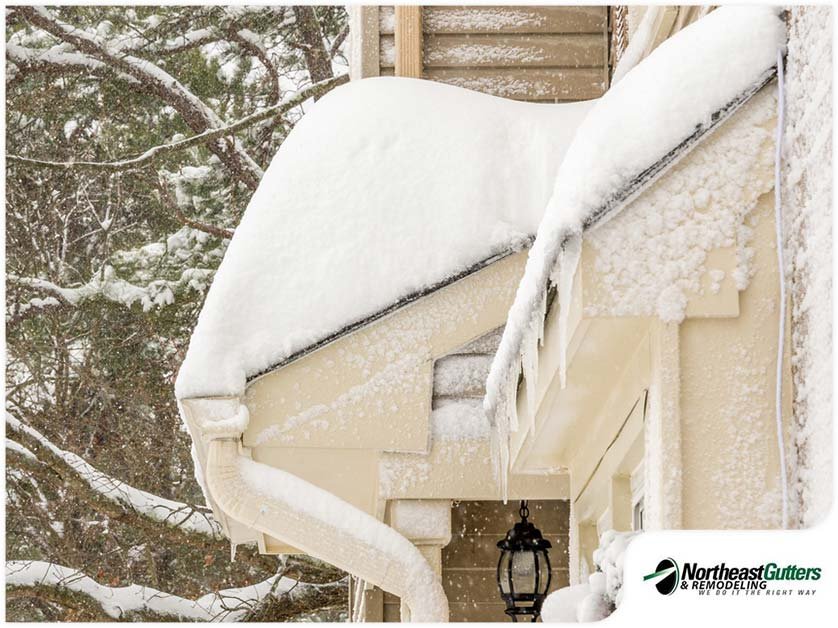
Standing water freezes in cold weather, which adds weight and can pull a gutter from the fascia. A federal facilities guide, the GSA’s gutter and downspout maintenance page, links clogs to overflow and ice buildup.
It suggests looking at gutters weekly during leaf fall and monthly in winter. Our gutter cleaning and maintenance visits open the run before the freeze.
Water Near the Foundation and Pests
This Old House’s guide to extending a downspout warns that runoff dropped near the house can pool at the foundation and seep into a basement or crawl space. It names flooding, foundation cracks, and soil erosion as the possible results.
Make sure each downspout empties well away from the structure. Our underground drainage installation service buries pipe to carry runoff past the lawn edge.
| Sign | What it means | What to do |
|---|---|---|
| Water spilling over the front edge | Clog or low spot | Clear the run and check the slope |
| Dark stains on the fascia | Water soaking the wood | Inspect the fascia and hangers |
| Gutter sagging between hangers | Too much weight or weak hangers | Re-hang or add hangers |
| Damp soil at the foundation | Poor discharge | Extend the downspouts |
Fix It Before It Spreads
A small clog or low spot is cheaper to fix than a rotted board. When a run is worn out, our seamless aluminum gutter installation page covers replacement.
Our blog on gutter damage causes shows more signs to watch.
Standing Water Checklist
- Clear leaves and seed pods from the trough.
- Flush the downspouts.
- Watch the gutters during the next rain.
- Look for stains on the fascia and siding.
- Extend downspouts away from the house.
- Call a pro if water keeps pooling.
What Our Crew Documents on Site
On an estimate, our crew looks at pitch, hangers, outlets, the fascia behind the run, and the ground below, and we write the findings into a scope with photos. That shows which risks apply to your home.
Standing Water in Gutters FAQs
Can standing water rot the fascia?
Water that spills over or sits in the trough soaks the fascia board behind it, and over time the wood softens and the hangers lose their hold. Soft fascia often shows up only when a gutter starts to pull away from the house.
Does standing water in gutters attract mosquitoes?
Wikipedia notes that standing water in gutters can let mosquitoes breed. Clearing clogs and fixing low spots so that water drains soon after rain removes that breeding site near your home and yard for the season.
Why does ice form in clogged gutters?
The GSA guide ties clogs to overflow and ice buildup, so it suggests looking at gutters weekly during leaf fall and monthly in winter. Standing water freezes, adds weight, and blocks later drainage in the trough.
How can gutter water affect my foundation?
This Old House says water carried too close to the house can pool against the foundation and seep into a basement or crawl space, which can lead to flooding, foundation cracks, and soil erosion around the home.
What should happen to the water leaving a downspout?
It should travel well away from the foundation and from neighboring property, according to This Old House. Extensions can sit above ground or be buried, so ask your installer which option fits the yard and slope.
What signs show a gutter is holding water?
Water spilling over the front edge, dark stains on the fascia, and a gutter sagging between hangers all point to standing water. Damp soil near the foundation after rain is another sign worth checking soon after storms.
Is Your Gutter Holding Water?
Northeast Gutters & Remodeling can find why water sits and repair the run, fascia, and downspouts.
Dial 860-899-7878 or use our free estimate page to book a gutter check at your home.
About the Author
Thiago Barboza Batista is the owner of Northeast Gutters & Remodeling, a family-owned contractor in Bloomfield, Connecticut, founded as a gutter company in 2004. He oversees seamless gutter, copper gutter, roofing and siding projects for homeowners across Connecticut, from the free on-site estimate to the final inspection.
Sources
- Wikipedia: Rain Gutter: Clogs, backing water, and mosquito breeding.
- GSA: General Inspection and Maintenance of Gutters and Downspouts: Clogs, ice buildup, and checking schedule.
- This Old House: How To Extend a Downspout: Foundation drainage.